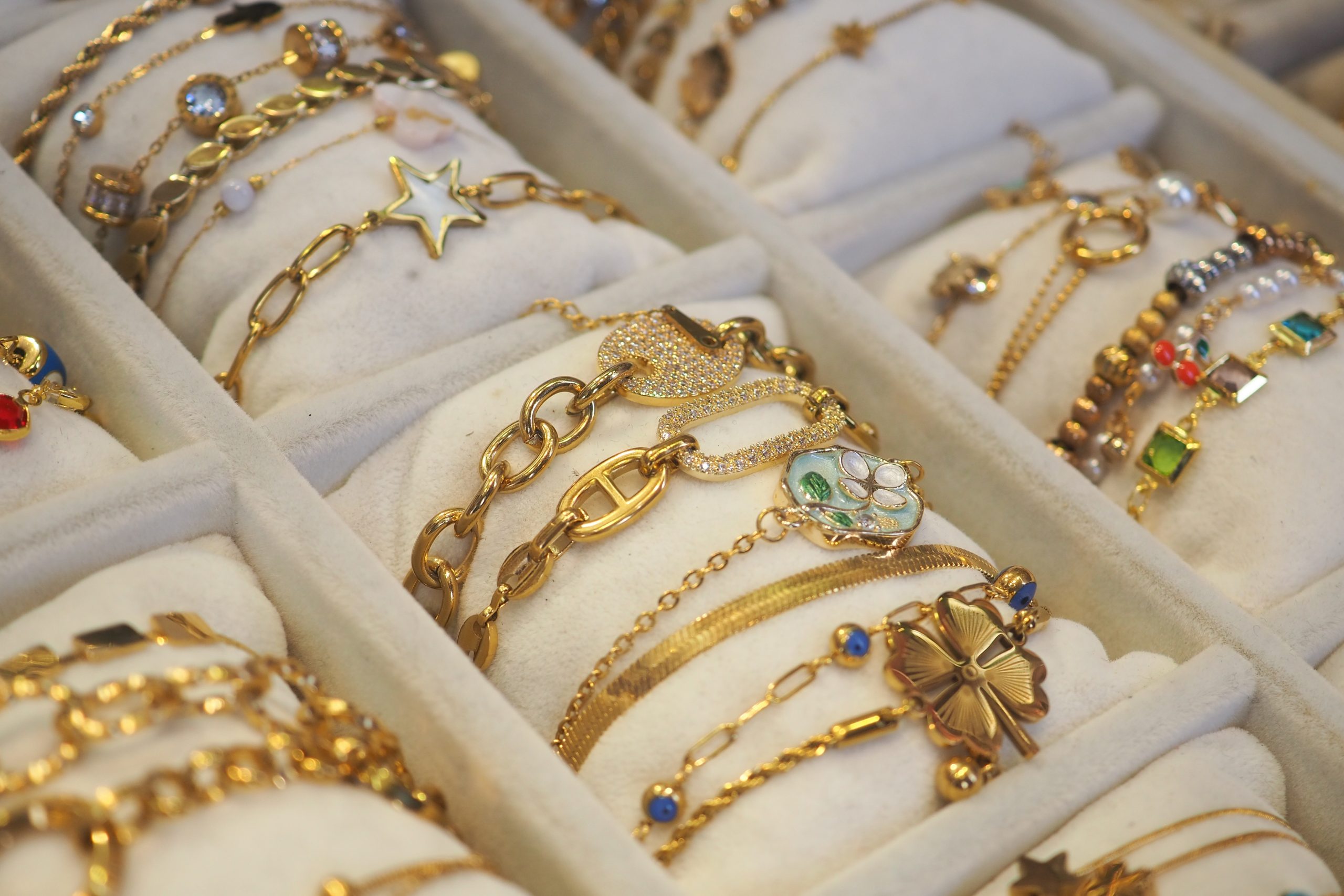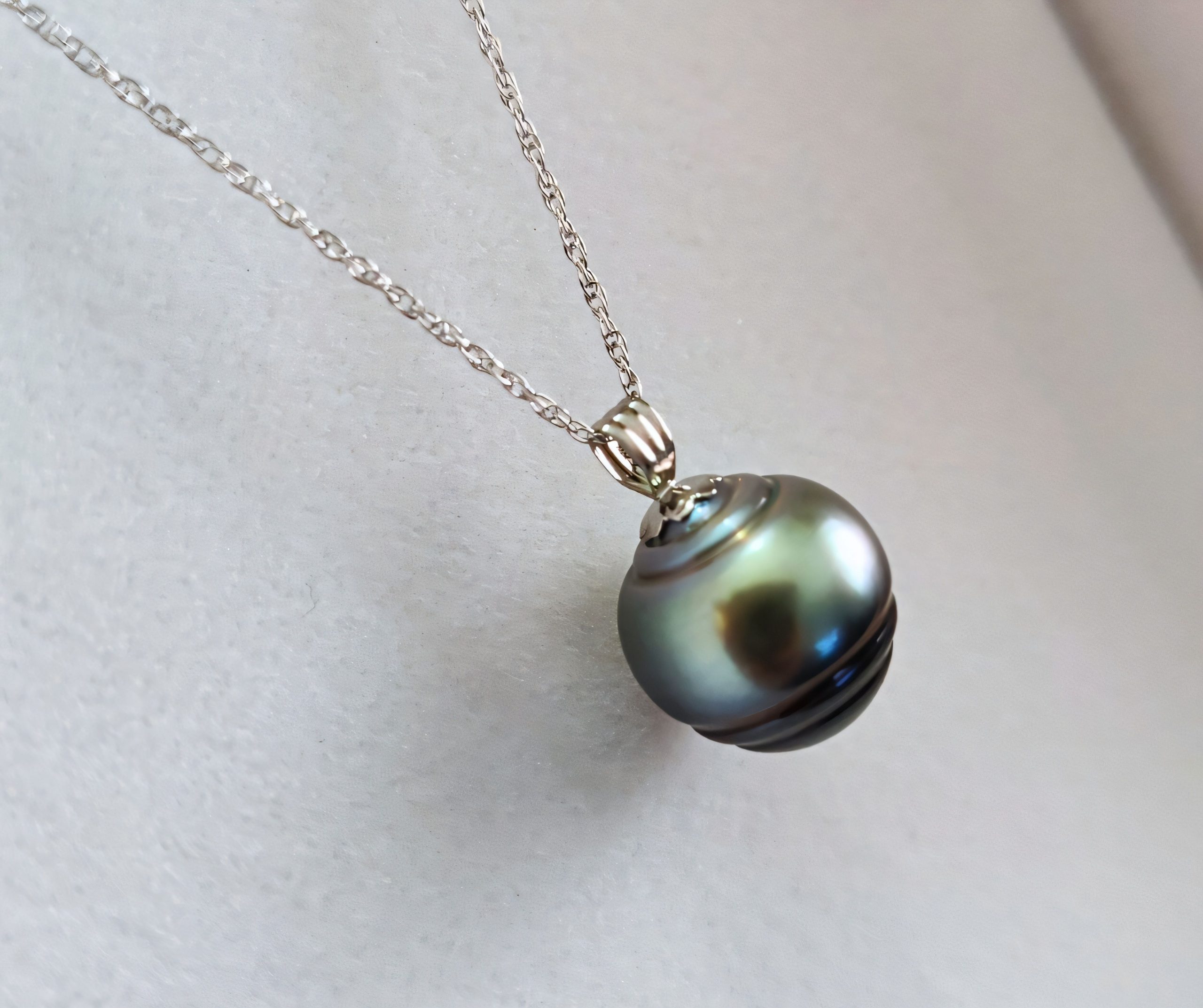
Solid gold jewelry tends to outlast trends, but not all gold pieces are equal when it comes to resale or investment. While layered bracelets often attract attention due to their flashy appearance, the real value usually lies beneath the surface. When we look closer at how bracelets are made and what they’re worth, the difference between solid and layered styles becomes very clear. Understanding this helps us make better choices when buying or selling. It also helps ensure that what we own today will still be worth something tomorrow.
What Makes a Bracelet “Solid” Gold?
A solid gold bracelet is made entirely from one gold alloy throughout. That means there is no core of another metal hidden underneath. Instead, every part of the bracelet contains gold, usually mixed with small amounts of other metals like copper or silver to give it strength. This is different from gold-plated or layered styles, which often have just a thin layer of gold on top.
We often see confusion around this when people assume any yellow metal must be real gold. But weight and durability reveal the truth quickly. Solid bracelets feel heavier and denser in the hand. They also wear more evenly over time, without color changes or peeling that often occur with layered designs. This structural difference directly affects resale value.
Why Gold-Plated Bracelets Lose Value Quickly
Layered gold styles might look appealing at first glance, especially when new. However, once we start wearing them, the outer layer often rubs off. As a result, what’s underneath begins to show. This may be brass, stainless steel, or another inexpensive metal. At that point, even polishing or cleaning won’t restore its original shine.
The core issue is thickness. Gold plating is usually measured in microns. Even high-quality electroplated pieces contain just a few microns of gold. That’s not enough to hold any long-term value. Once the layer fades, the bracelet is no longer viewed as precious metal. For gold buyers in Saskatoon, layered styles have limited appeal because the actual gold content is minimal. This makes them nearly impossible to resell for a fair amount.
How Weight Impacts Resale and Appraisal
We rely heavily on weight when evaluating any gold bracelet. This is because the gold content is directly tied to its mass. A solid gold bracelet gives consistent results when weighed, while a layered one may give a false impression until it’s tested further.
Appraisers use tools like acid tests or XRF analyzers to identify gold purity and thickness. For solid pieces, these tests confirm the same karat throughout. But with layered items, results change depending on how deep the test goes. That inconsistency lowers confidence and, by extension, reduces the offer.
In many cases, people assume their bracelet is worth more simply because it feels sturdy. But we’ve seen countless pieces that appear heavy but contain very little actual gold. Solid construction removes this uncertainty. When we buy gold, we trust bracelets that deliver consistent metal purity across every link.
Why Purity and Karat Rating Matter Most
Gold purity is measured in karats. A 24K bracelet is pure gold, though softer and less common for everyday wear. More often, bracelets are 18K or 14K, meaning they contain 75% or 58.5% gold respectively. These blends offer better durability while still holding significant value.
With layered styles, the outer gold layer might be 18K, but the core is often non-precious. That means you only benefit from a small fraction of gold, and only for a short time. Over months or years, scratches and moisture may expose the base. This makes it even harder to resell.
We often advise people looking to invest in jewelry to avoid confusion between gold-filled and gold-plated items. Even if the label says “gold,” the karat rating only applies to the surface. It’s the solid, full-karat bracelets that bring better payouts. When evaluating options, purity should always be confirmed.
Solid Styles Offer Better Longevity and Repairs
Another point we notice often is how repairable a bracelet is. Solid gold can be polished, resized, soldered, or reshaped without damaging its core. It tolerates heat from soldering tools and survives multiple repairs over decades. That is not the case with layered or plated pieces.
In layered bracelets, repairs usually reveal the inner metal. Even a single attempt to fix a link can ruin the appearance permanently. As a result, people often throw away these styles rather than invest in restoration. Solid gold, on the other hand, retains its structural strength and appearance far longer.
That means people holding solid bracelets are less likely to lose money over time. Even worn or broken pieces can be repurposed or melted. This is why gold buyers in Saskatoon prefer solid bracelets when evaluating gold items for resale or refining.
Market Demand and How Style Influences Offers
Solid bracelets follow a stronger resale pattern because they meet long-standing demand. Buyers trust them more, both for resale and for melting. They also keep their style longer, especially simple chains, bangles, or cuffs. This keeps them in circulation even as fashion changes.
Layered pieces often chase trends, and once the coating fades, they fall out of favor. Even vintage or collectible designs lose value fast when their surface no longer reflects gold content. We’ve seen people bring in once-expensive costume jewelry that no longer holds any resale worth simply because the surface wore off.
For sellers trying to maximize value, choosing simpler, solid designs with confirmed karat markings leads to better results. While design does matter, material comes first. Contact our gold buyers in Saskatoon when you’re ready to check what your bracelets are actually worth.
Tips for Checking If a Bracelet is Solid or Layered
Identifying the difference between solid and layered bracelets is possible at home with a few tips. First, look for clear stamps like “14K,” “18K,” or “750.” These usually indicate solid content. Beware of terms like “GP,” “GF,” or “HGE.” These mean gold plated, gold filled, or heavy gold electroplated.
Second, check the color across high-wear areas. If you see a different tone underneath, that’s a sign of layered metal. Third, weigh the bracelet in your hand. Solid gold feels dense, even in smaller pieces. Lastly, use a strong magnet. Solid gold is not magnetic, while many base metals used in layered styles are.
While these methods help, professional tools confirm results best. We always recommend bringing items in for testing before selling. A short evaluation can reveal how much real gold a bracelet contains and whether it’s worth holding or trading in.
FAQs
How can I tell if my bracelet is solid gold without damaging it?
You can check for stamps, test magnetism, and inspect wear spots for discoloration. A pro can use non-destructive tests for full results.
Is gold-filled jewelry better than gold-plated?
Yes, gold-filled has a thicker layer and lasts longer. Still, it holds far less resale value than solid gold.
Do solid gold bracelets always have a stamp?
Most do, but some older or handmade pieces might not. Testing is the best way to confirm.
What karat gold is best for bracelets?
We usually suggest 14K or 18K for everyday wear. These offer strength with good value.
Can I sell a damaged solid gold bracelet?
Yes, even broken pieces have melt value. Solid gold remains valuable regardless of condition.