There is something quietly powerful about an old watch. It sits in a drawer, a box, or on a shelf — ticking or still — carrying weight far beyond its size. If you have recently inherited a timepiece or rediscovered one you stopped wearing years ago, you may be wondering what to do with it. Saskatoon Gold Buyers works with people every day who bring in gold watches and walk away with real value they never expected. Old gold watches are not just sentimental objects. They are assets, and knowing how to treat them as such makes all the difference.
Why Gold Watches Hold Their Value
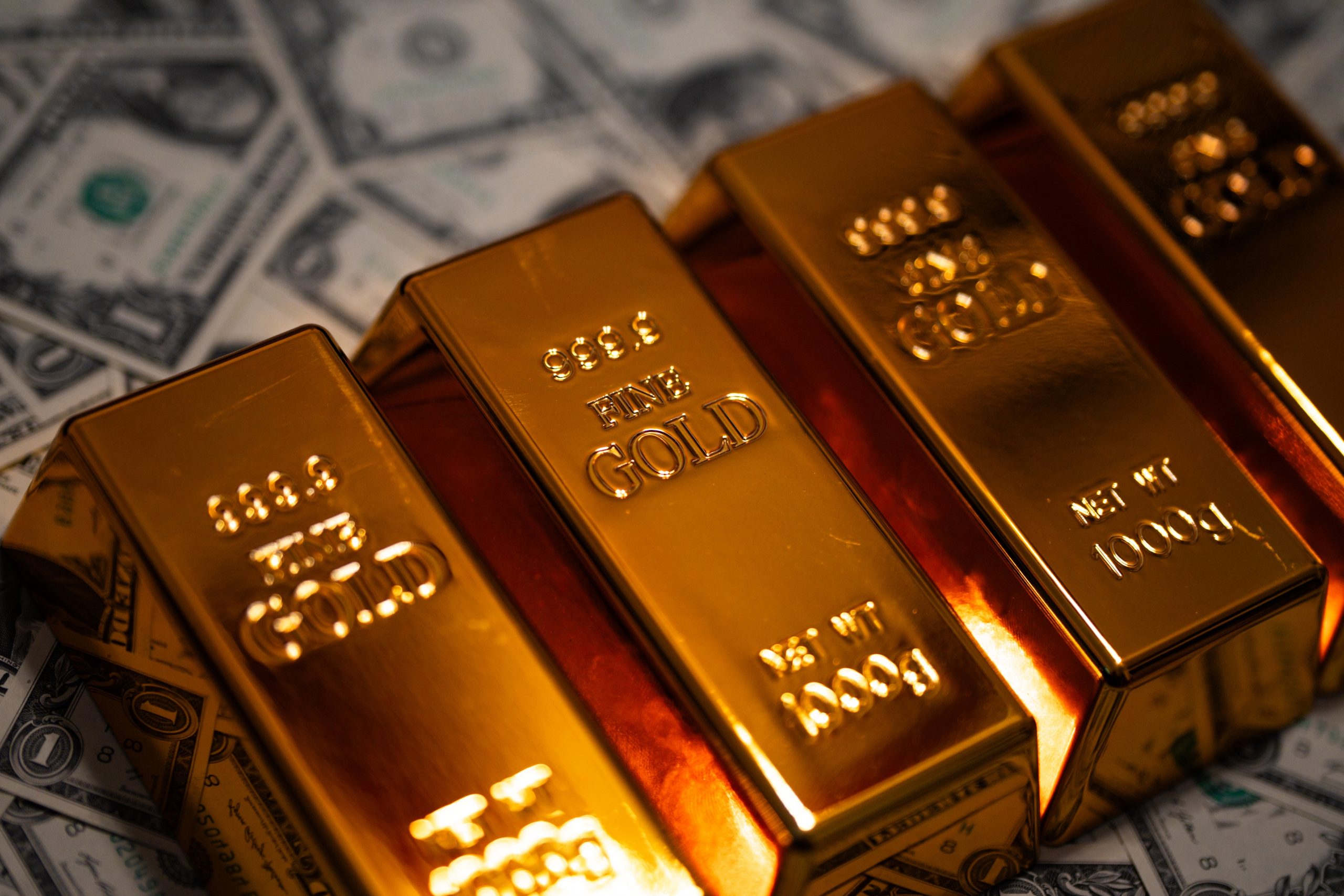
A watch made with gold does not depreciate the way electronics or furniture do. The metal inside the case, the bracelet, and sometimes even the clasp retains intrinsic worth regardless of whether the watch still runs. Jewellers and buyers assess the purity of the gold — typically measured in karats — and weigh the metal to determine its market value.
Even a watch with a cracked face, a broken crown, or a worn-out movement contains gold that holds real worth. Buyers do not need a working watch. They need gold. That distinction matters when you are deciding whether to repair, keep, or sell a piece that no longer fits your life.
What Makes a Gold Watch Worth Selling
Not every watch is created equal, but most gold watches are worth more than their owners realize. Several factors shape the final offer you receive.
Gold purity plays the largest role. A 14-karat watch contains 58.5% pure gold, while an 18-karat piece contains 75%. Higher purity means a higher return. Weight comes next. A heavier bracelet-style watch yields more than a slim dress watch, simply because it contains more metal. Brand and condition can add value on top of the base metal price, especially for recognized Swiss or luxury names.
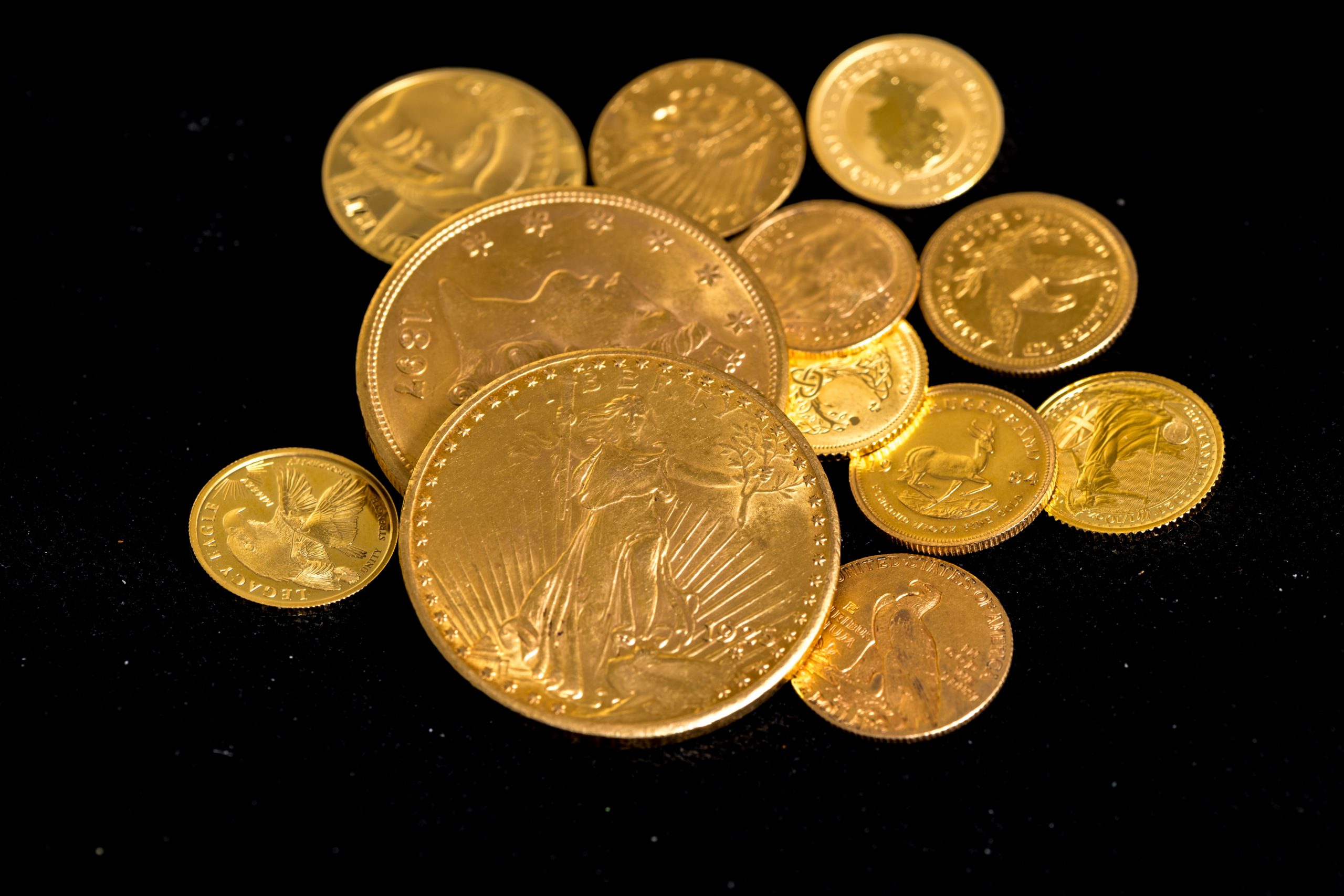
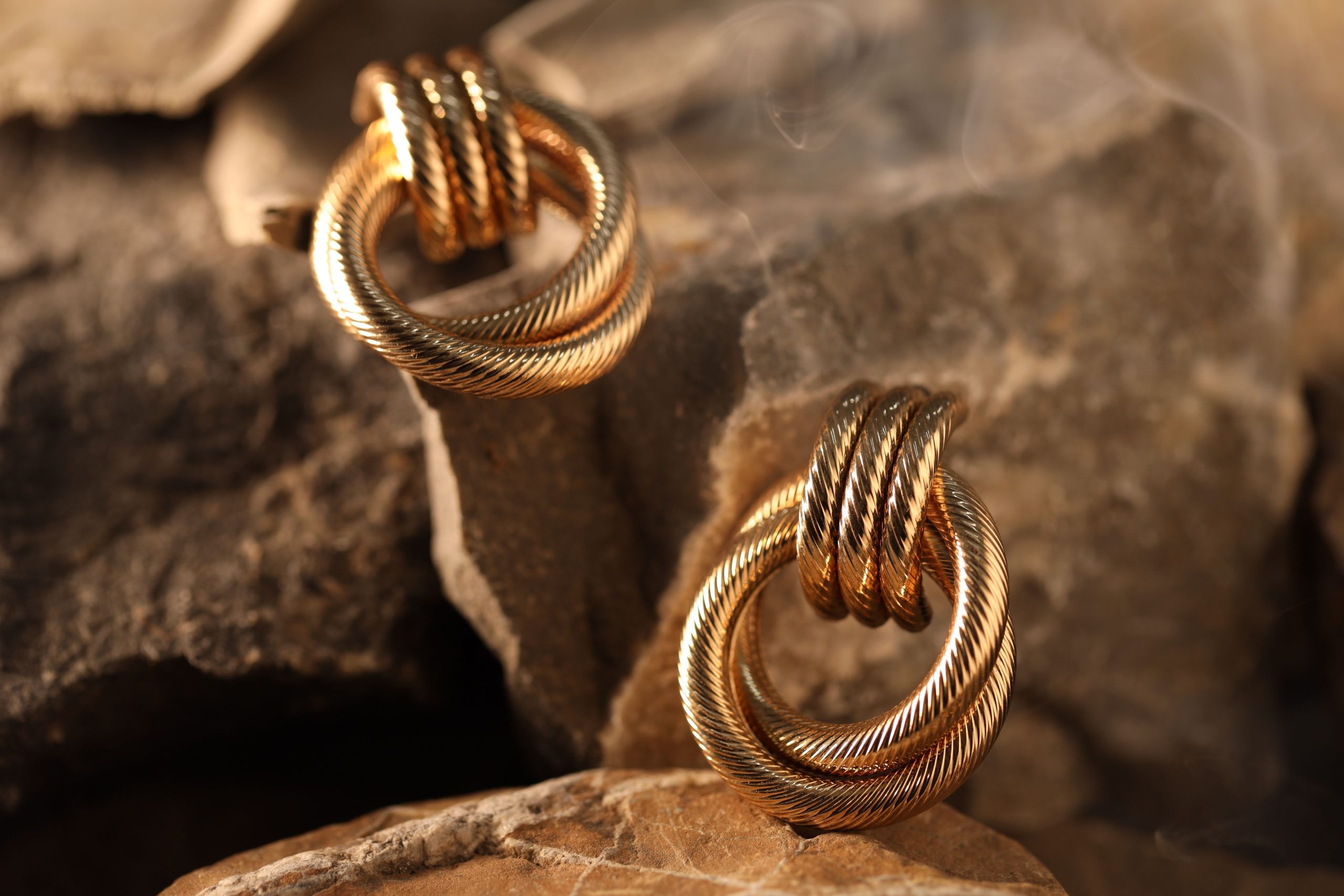
If you also own gold chains or other gold jewellery, selling multiple pieces together often makes the process faster and just as straightforward.
The Emotional Side of Letting Go
Many people hold onto watches for years because of who gave them the piece or when they received it. A grandfather’s watch. A retirement gift. A purchase made during a milestone trip. These associations are real, and no reputable buyer dismisses them.
At the same time, an unworn watch locked in a drawer serves no one. If the memory lives in you rather than the object, converting that piece into funds you can actually use is a reasonable and dignified choice. Some sellers use the money for home repairs, travel, or helping a family member. Others simply want to clear space and move forward.
Deciding when sentiment ends and practicality begins is a personal call. A trustworthy buyer respects that process and never pressures you.
How the Selling Process Works
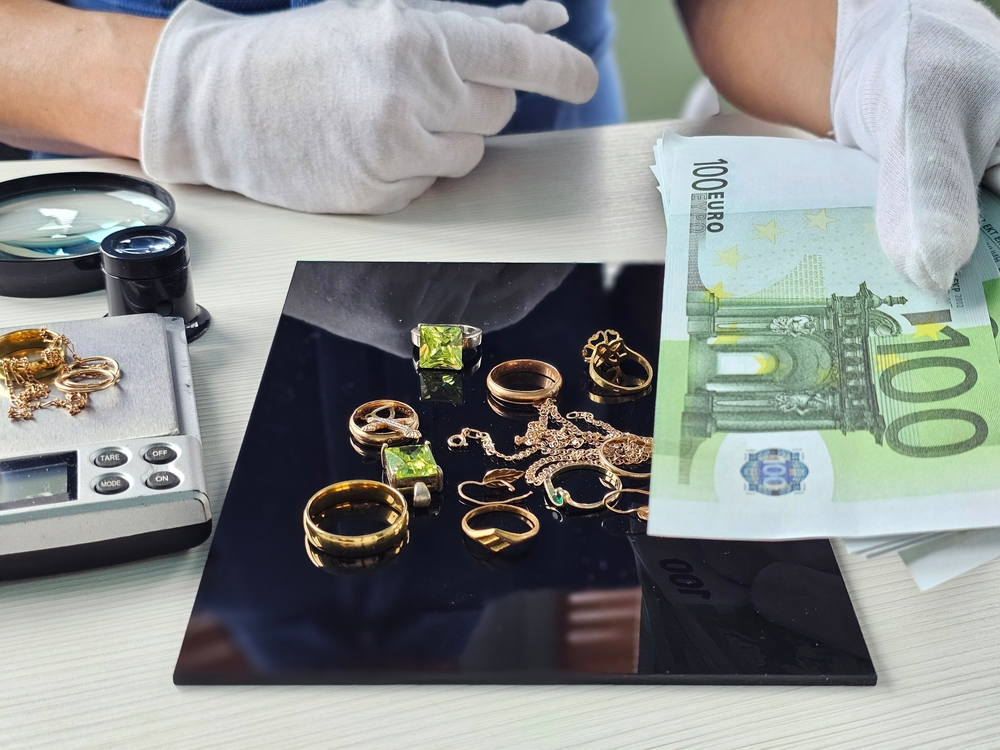
Walking into a reputable buyer’s location should feel simple and transparent. You bring the watch. The buyer examines it, tests the metal if needed, and provides a clear offer based on current gold market prices. You are never obligated to accept. A good buyer explains every step and answers your questions without rushing you.
Saskatoon Gold Buyers follows this straightforward approach with every customer. The goal is a fair exchange — you understand what you are selling, and you receive a competitive offer based on actual market value.
If you are also holding onto silver coins or gold tie clips from an estate or collection, those can be assessed during the same visit.
What to Bring and How to Prepare
Preparation is simple. Bring the watch in whatever condition it is in. If you have original packaging, receipts, or documentation of the metal’s purity, bring those too — they can support a stronger offer. Clean the piece gently if it has surface dust, but do not attempt repairs or polishing that could alter its appearance.
If you are unsure whether your watch is gold-filled, gold-plated, or solid gold, the buyer will determine that during the assessment. Gold-filled and plated pieces contain far less gold and are valued differently, so clarity on this point prevents surprises.
Turning a Forgotten Timepiece Into Real Returns
An old watch sitting unused is a missed opportunity. Gold does not lose its value because it sits in a drawer, but you do lose the chance to use that value while time passes. Whether you inherited a gold watch or simply stopped wearing one you once loved, the path forward is clear and accessible.
Saskatoon Gold Buyers makes the process easy, honest, and efficient. Bring your piece in, ask your questions, and leave with confidence — whether you decide to sell or simply want to know what you have. That knowledge alone is worth the visit.
Old watches carry history. But they can also carry forward the life you are building right now.
Frequently Asked Questions
1. Do I need to have the watch serviced before selling it? No. Buyers assess gold watches based on metal content and weight, not whether the movement works. Bring the watch as it is.
2. How do I know if my watch is solid gold or just gold-plated? A reputable buyer will test the metal during the assessment. Solid gold, gold-filled, and gold-plated pieces are valued differently, and the buyer will explain the distinction clearly.
3. Will I get more money if I have the original box and papers? Original documentation can support a stronger offer, particularly for luxury or branded watches. It is helpful but not required.
4. Can I sell other jewellery at the same time as my watch? Yes. Most buyers, including Saskatoon Gold Buyers, assess multiple pieces in a single visit. Chains, rings, coins, and other gold or silver items can all be brought in together.
5. Is there any obligation to sell after I receive an offer? No. A trustworthy buyer presents an offer and allows you to decide without pressure. You are free to take the offer, decline it, or return another time.