Gold rarely loses its value, even when broken, worn, or no longer stylish. Many people overlook small or damaged items, assuming they are worthless. However, that is not the case. As gold buyers in Saskatoon, we often explain how even the tiniest bits of gold can be worth something. Understanding what qualifies as scrap gold and why size does not determine value helps people make smarter decisions when parting with old jewelry or unwanted pieces.
Understanding What Scrap Gold Includes
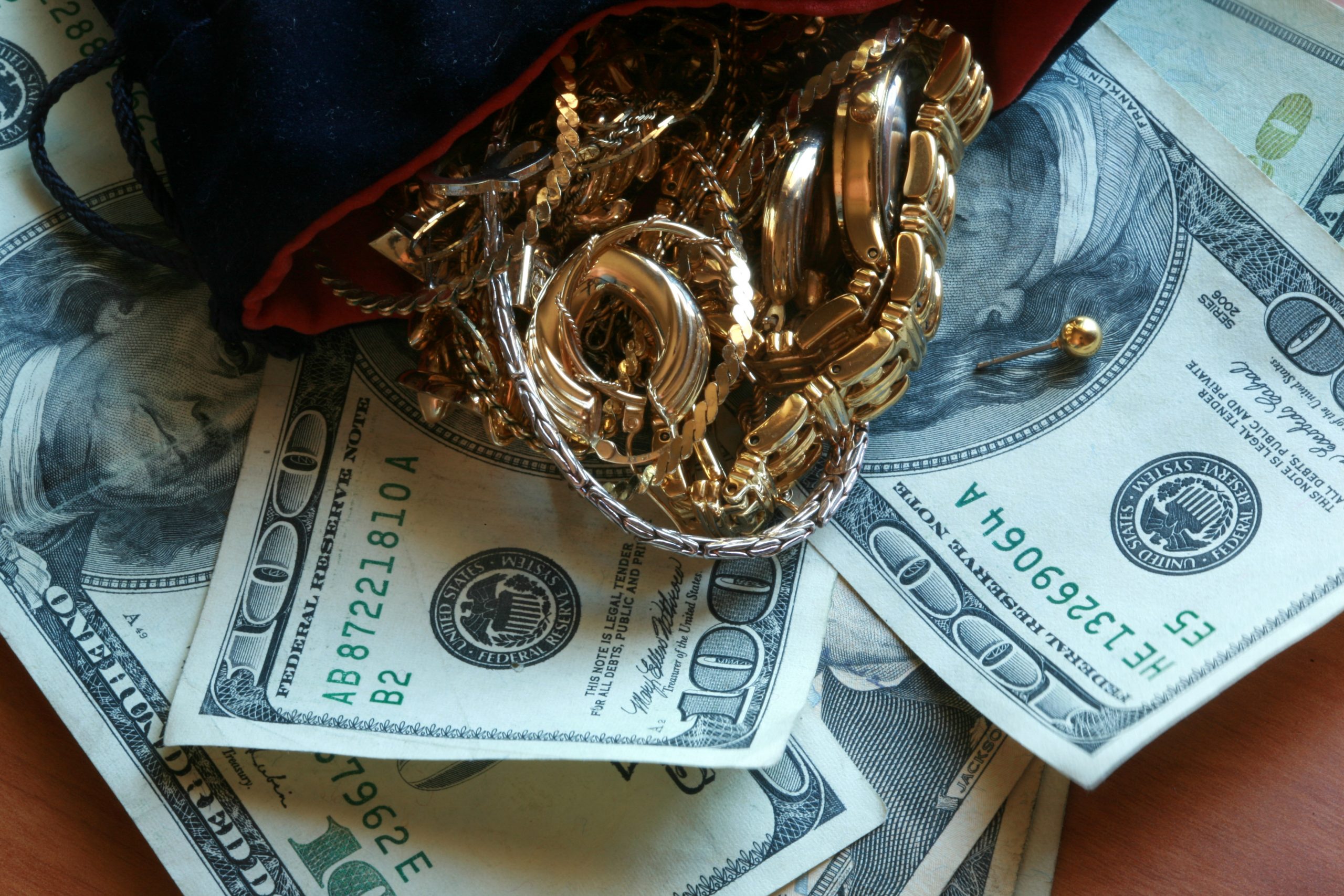
Not every gold item holds value as a finished product. Some are too damaged or outdated to resell as jewelry. These pieces become what we call scrap gold. That includes broken necklaces, unmatched earrings, dented rings, or even dental crowns made of gold. What matters most is the gold content, not the condition.
The term “scrap” may sound like junk, but it only refers to gold that is no longer in wearable form. It can come from watches, old clasps, chains, decorative pins, or cracked bangles. Some gold coins and small industrial parts also qualify, depending on their condition. Even if they look useless, they may still contain valuable metal.
The purity of the gold affects how much value is in the scrap. For example, 10K has less pure gold than 18K, which influences the payout. But the weight always plays a role too. Therefore, separating actual gold from gold-plated or costume jewelry is a necessary step before selling. Many people are surprised to learn how much is tucked away in forgotten drawers or toolboxes. Items once seen as waste become a source of extra income.
To better understand this category, visit our guide on scrap gold pieces in Saskatoon for specific examples and common sources we see daily.
Why Small Gold Pieces Still Add Up
Loose clasps, earring backs, broken links, and other fragments often seem too minor to collect. However, these small pieces still count toward total gold weight. Many forget that payouts are based on weight and purity, not size or appearance. As a result, combining several tiny bits can equal or exceed the value of a larger single item.
In our experience, people often bring in one or two small parts they find while cleaning. They come back later with more and realize the growing pile becomes meaningful. Small 14K earring posts, damaged chains, or bent ring shanks weigh more than expected when gathered in one bag. Some even bring in gold filings from past jewelry repairs or manufacturing leftovers.
Gold buyers in Saskatoon test each item for its karat level. We also weigh every piece accurately, even if it seems insignificant. That is how we ensure fair value. Every bit of real gold adds up. Most importantly, the payout does not care about design or shine. That means ugly or tarnished items are still valuable if the metal is real.
If you have a few random gold items lying around, do not toss them. Keep a small container just for these finds. You can bring them in when the container is full. That way, nothing goes to waste, and you can convert those scraps into useful cash.
How Gold Purity Affects Scrap Value
Scrap gold is weighed and tested before an offer is made, and purity plays a major role in that process. Gold purity is measured in karats, with 24K being the highest. Since pure gold is soft and impractical for everyday use, most items are mixed with other metals. This results in common alloys such as 10K, 14K, and 18K.
Each karat level indicates how much real gold is in the item. For instance, 10K means the item contains about 41.7 percent gold. Meanwhile, 18K is 75 percent pure. Because of that, higher karat items are worth more per gram. So even two items of the same weight can have different values if their purities differ.
We use tools that measure both karat and weight to offer accurate payouts. The process may involve scratch tests or electronic analysis. Sometimes pieces look like gold but test as plated. In those cases, they do not qualify as scrap gold. That is why testing is a necessary part of the process.
You do not have to figure it all out on your own. We help sort through items and identify which ones qualify. If something is not gold, we will let you know. That way, you get a clear answer and can make informed choices. Transparency helps make the selling experience smoother for everyone involved.
To learn more about our process and standards, start with our trusted gold buyers in Saskatoon information page for clear answers.
Mistakes People Make When Ignoring Small or Damaged Gold
It is common for people to dismiss damaged or partial gold items because they assume they have no value. However, that assumption leads to missed opportunities. Throwing away broken jewelry, single earrings, or bent rings can mean losing out on real money. These overlooked pieces often carry the same gold content as intact ones.
One mistake is mistaking visual appeal for value. Tarnish, dents, or missing parts do not reduce the gold itself. In other words, the weight and karat remain even when the appearance declines. Another common error is assuming that small pieces are not worth collecting. When left scattered around the home, these items usually get lost or discarded. Meanwhile, someone else might have turned those pieces into cash.
Some people also confuse gold-plated items with solid gold. That confusion leads to frustration during the selling process. If an item is not tested, it is easy to either overestimate or underestimate its worth. That is why professional testing matters before tossing or storing anything long-term.
Our team frequently sees people regret what they threw away before learning the truth. Even a half-chain or a single stud earring can contribute to total weight. Keeping a small bag or dish for suspected gold items helps. When ready, those pieces can be sorted and tested together, ensuring that nothing valuable goes unnoticed.
For those curious or uncertain, the best step is always to contact our team for a gold review before making a final decision.
Tips for Sorting Scrap Gold at Home
Many people have old gold pieces scattered around their home without realizing how much they add up. To make the process smoother before visiting a gold buyer, it helps to sort them properly. You do not need fancy tools, but a few steps can help separate gold from non-gold items.
Start by gathering everything that might be gold. This includes broken earrings, old charms, rings, necklaces, or gold dental work. Use a small magnet to see if anything sticks. Real gold is not magnetic, so items that attract the magnet are usually fake or gold-plated. While not perfect, this test helps narrow down what to check further.
Next, look for karat stamps on the items. These are usually marked as 10K, 14K, or 18K. If there is no stamp, do not assume it is worthless. Some older or custom pieces may lack markings but still hold real gold. Set those aside for testing.
Avoid cleaning or polishing the items. Removing tarnish can remove clues, and it is better to leave them in their original state for accurate evaluation. Instead, place everything in a small container or envelope labeled “possible gold.” When enough items are collected, bring them all in for testing at once.
This organized approach helps save time and keeps valuable items from being lost or thrown away. More importantly, it gives you a clearer picture of what you really have, piece by piece.
FAQ
How small can a gold item be to still have value?
Even a tiny earring back or a broken clasp can be worth something if it contains real gold. Every bit counts.
Can I bring in gold dental pieces or gold-filled items?
Yes, gold dental crowns often qualify. Gold-filled items usually contain very little gold but can still be evaluated.
Do I need to clean the jewelry before selling?
No. In fact, it’s better to leave the items as they are. Cleaning may remove signs that help confirm authenticity.
How do I know if a gold item is real without tools?
You can check for stamps like 10K or 14K and try a magnet test. Still, professional testing is the only way to be sure.
Is it worth bringing in just one or two small items?
Yes. We evaluate each item individually, and even small amounts of real gold can be valuable on their own.