If you have ever tried to sell a gold chain and felt unsure about the outcome, you are not alone. Many people expect weight alone to determine value. However, several hidden factors influence how quickly a chain sells and how much you receive. At Saskatoon Gold Buyers, this difference becomes clear every day. Some pieces are sold within minutes, while others take longer to evaluate. Understanding what drives a smooth sale helps you avoid delays and make better decisions.
What Makes a Gold Chain Sell Quickly
Not every gold chain is treated the same during evaluation. Therefore, buyers look at several key elements before making an offer.
Purity comes first. A chain marked 18K or 24K contains more gold than one stamped 10K. This directly affects value. When the hallmark is clear and easy to read, the process moves faster because there is less need for additional testing.
Weight follows closely. A heavier chain naturally contains more gold, which increases its overall worth. Thin chains may still have good purity, but they often result in smaller payouts due to lower total mass. In contrast, thicker designs like rope chains or Cuban links tend to move faster because they combine both weight and purity.
Condition also plays a role. A chain that is clean and intact can be assessed quickly. On the other hand, broken clasps, missing links, or heavy damage may slow the process because extra inspection is required.
Why Certain Chain Styles Sell Faster
Design has a bigger impact than most sellers expect. Some styles are consistently in demand, which encourages buyers to act quickly.
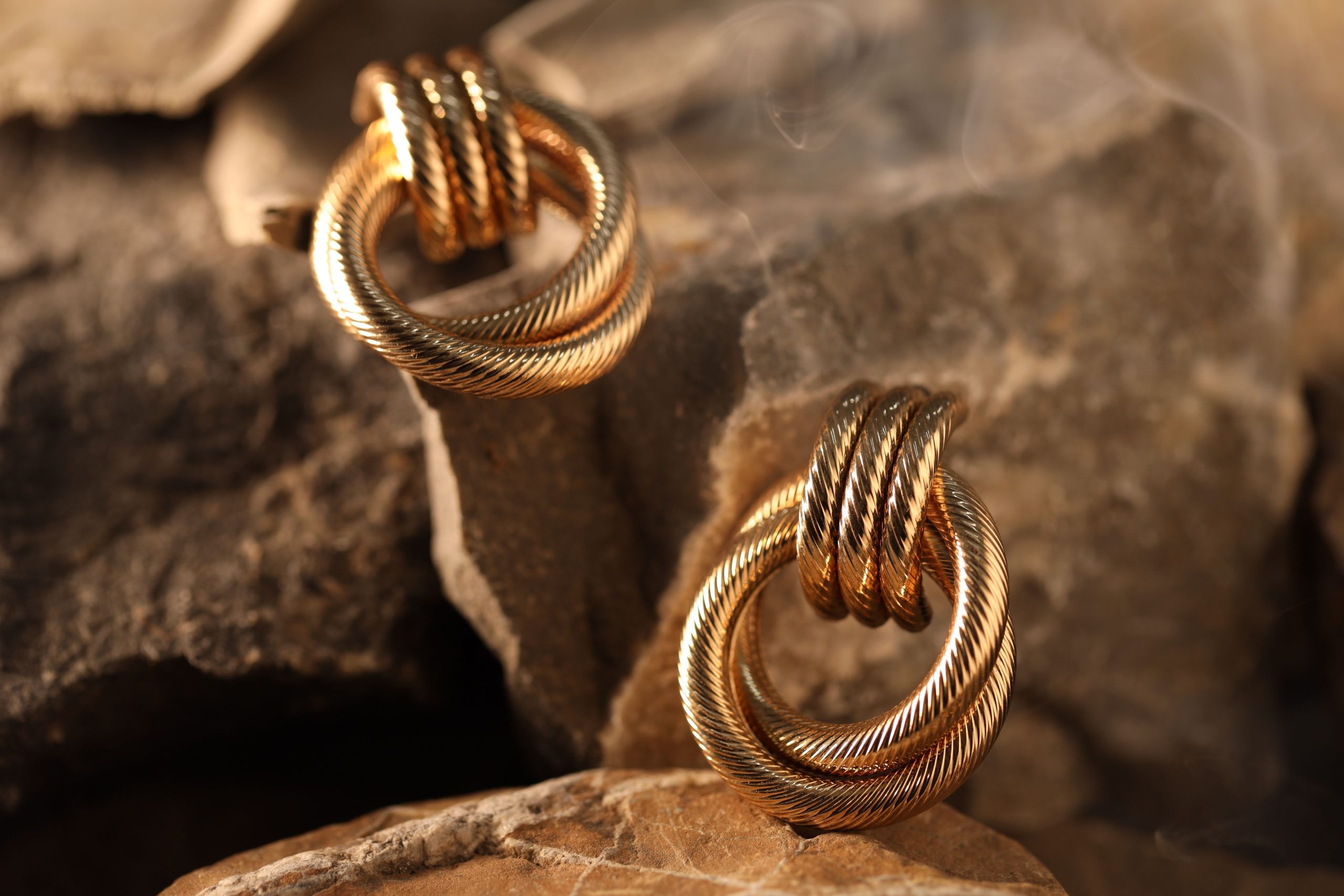
Cuban link and rope chains are among the most desirable. Their structure uses a dense amount of gold, and their popularity keeps demand steady. As a result, clean pieces in these styles often receive immediate attention.
Box chains and Figaro chains also perform well. Their simple construction makes them easy to inspect. In addition, their classic look appeals to a wide range of buyers, which supports faster offers.
However, highly detailed or custom chains may slow things down. Complex designs can include mixed materials or hidden components. Because of this, extra time is needed to confirm the actual gold content before a fair price is offered.
The Advantage of Documentation
Bringing documentation can significantly speed up your transaction. For example, receipts, appraisals, or certificates help confirm authenticity and purity.
This reduces uncertainty during evaluation. As a result, the buyer can move forward with confidence and present an offer faster. While paperwork is not required, it clearly gives you an advantage.
Original packaging can also help. It signals authenticity, especially for well-known jewelry brands. This small detail often reduces the need for additional testing.
How Timing Influences Your Sale
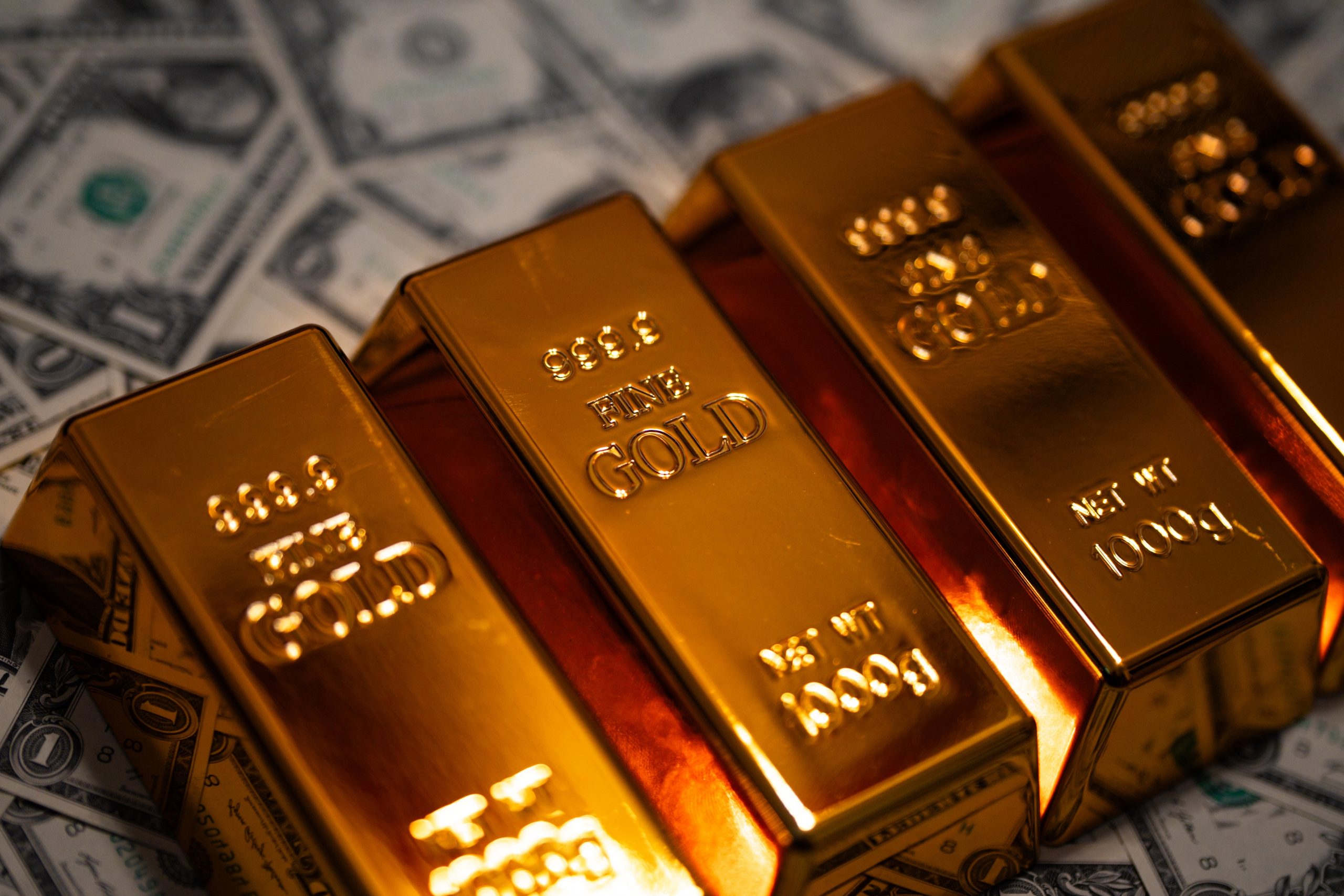
Gold prices change daily, and timing can affect your payout. Therefore, checking the current market rate before selling puts you in a stronger position.
When prices are rising, buyers are more active because profit margins improve. As a result, offers may be more competitive. Selling during these periods can increase your return.
On the other hand, unstable market conditions can slow negotiations. Buyers tend to act cautiously when prices fluctuate heavily. Choosing the right moment helps keep the process smooth.
Preparing to Sell Gold Chains the Right Way
Simple preparation can make a noticeable difference. First, gently clean your chain using a soft cloth. Removing visible dirt helps the item look better and speeds up inspection.
Next, weigh your chain at home if possible. This gives you a basic idea of its value and helps you recognize a fair offer. You will feel more confident during the discussion.
It is also important to check the gold spot price on the same day. Buyers usually pay slightly below this rate to cover costs. However, a reputable buyer will always explain pricing clearly.
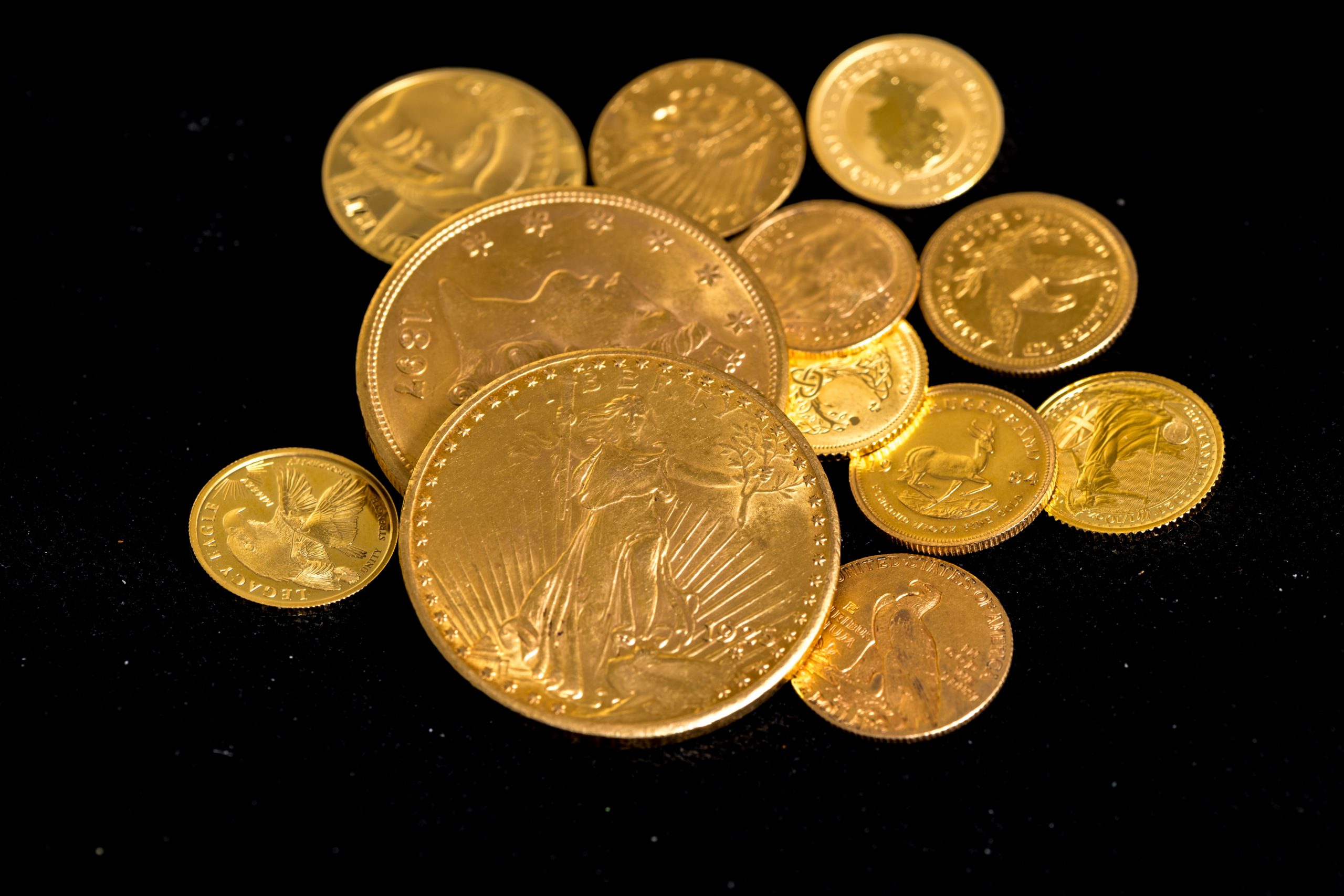
If you have multiple items, consider bringing them together. Combining chains, coins, or other pieces can increase the total value of the transaction. In many cases, this allows for more flexibility in the final offer.
What Reputable Buyers Actually Do
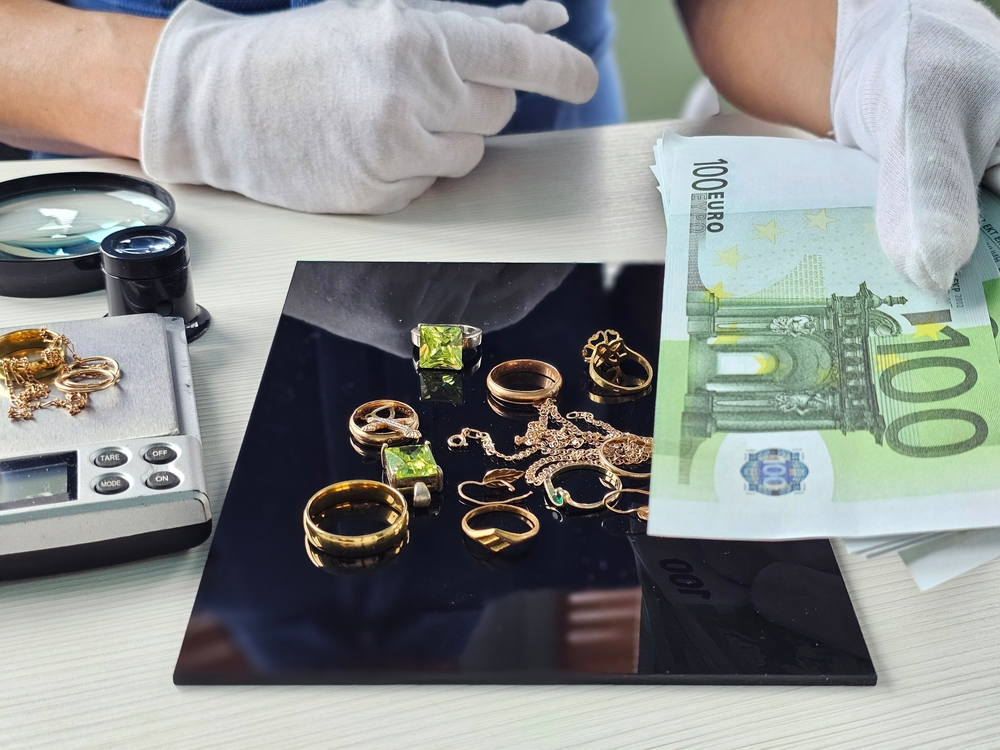
A trustworthy buyer follows a clear and consistent process. First, the gold is tested using reliable methods such as acid testing, electronic testing, or XRF analysis.
Next, the process is explained so you understand how the value is calculated. This step builds confidence and removes confusion.
After that, a written offer is provided before any decision is made. You should always have time to review the details without pressure.
Be cautious if a buyer skips steps or pushes for a quick agreement. A reliable professional will always welcome questions and provide clear answers.
Why Some Sellers Always Get Better Results
Certain habits consistently lead to better outcomes. Sellers who prepare in advance usually receive smoother offers. They understand the difference between melt value and resale value, which helps them set realistic expectations.
Presenting items cleanly also improves the process. In addition, asking questions shows confidence and encourages transparency from the buyer.
Most importantly, choosing a reputable buyer matters more than chasing the highest number. A clear explanation and honest approach often provide better long-term value than a rushed or unclear offer.
The Bottom Line on Selling Gold Chains
When you understand what affects value, the process becomes much easier. Purity, weight, condition, style, and timing all play a role. Therefore, preparation and knowledge are key.
A clean item, basic research, and the right buyer can turn a slow experience into a fast and rewarding one. Selling gold chains does not have to feel uncertain when you know what to expect.
Frequently Asked Questions
Q1: How can I tell if my gold chain is real?
Look for a hallmark such as 10K, 14K, 18K, or 24K near the clasp. If there is no marking, a professional buyer can test it using reliable methods.
Q2: Should I clean my chain before selling it?
A simple wipe with a soft cloth is enough. Avoid harsh chemicals, as they are not necessary for evaluation.
Q3: Does brand name increase value?
Sometimes, branded items can have added value. However, purity and weight remain the most important factors in most cases.
Q4: How long does the process usually take?
Most transactions are completed within 15 to 30 minutes. Clean and well-documented items are usually processed faster.
Q5: Can I sell multiple items at once?
Yes, bringing several items together is common. In many cases, this can lead to a better overall offer.