Most people assume a coin’s worth comes down to age or metal content alone. The truth is far more nuanced. A wide range of small but critical details drives coin grading and valuation — details that can push a coin from a modest payout to a surprisingly high one. At Saskatoon Gold Buyers, we see this difference every single day, and understanding these factors helps sellers walk in prepared and walk out satisfied.
Whether you’re clearing out an estate, reorganizing a collection, or simply curious about what those old coins in your drawer might be worth, learning what drives value is the first step. Coin grading factors — including mint marks, strike quality, surface preservation, and rarity — are what professionals examine before placing any offer on a coin.
Why Mint Marks Matter More Than Most Sellers Realize
A mint mark is a tiny letter stamped on a coin indicating where workers produced it. For most casual observers, these small symbols seem irrelevant. For appraisers and collectors, they can make an enormous difference. Some mint marks carry incredible rarity due to low production runs at specific facilities during specific years. A coin minted in a high-demand, low-supply year at a particular location may carry several times the value of an otherwise identical coin from a different facility.
Sellers often overlook this. They compare their coin to a photo online and assume the prices match. Always check the mint mark before forming expectations. The location and year of minting together create a combination that either adds or subtracts value significantly.
Strike Quality and Why It Affects the Final Number
Strike quality refers to how cleanly the coin’s design transferred from the die onto the planchet during minting. A well-struck coin shows sharp, defined features — clear lettering, distinct facial profiles, and crisp edges. A weakly struck coin looks soft or fuzzy in the details, even when it has never circulated.
Collectors and buyers pay a premium for strong strikes. Even among coins of the same date and mint mark, a well-struck example might bring noticeably more money. This matters most with coins where production issues historically caused weak strikes.
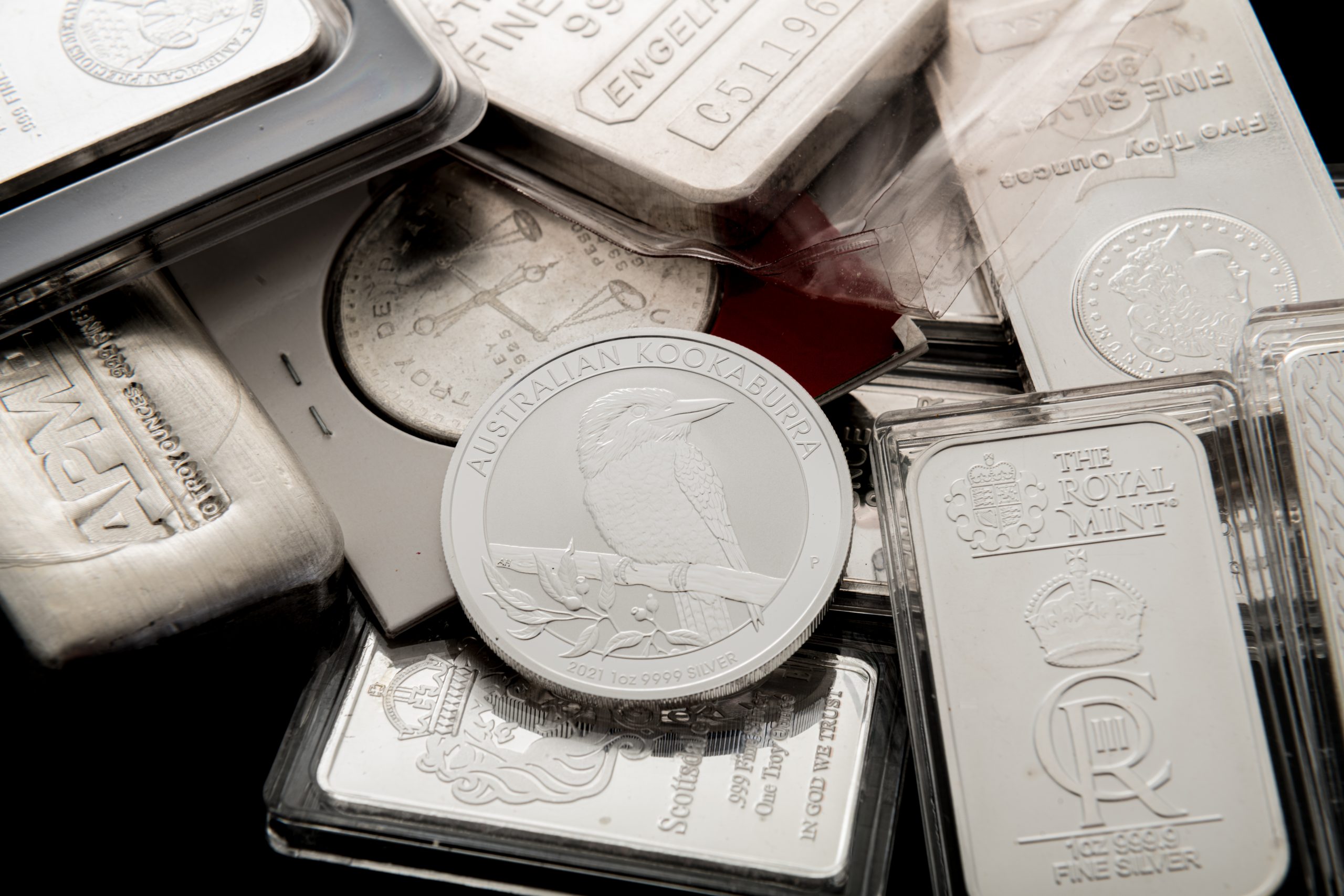
If you’re bringing silver coins to be evaluated, don’t be surprised when the buyer examines strike quality closely. A sharply detailed coin adds real dollars to the offer.
Surface Preservation and the Difference Between Circulated and Uncirculated
Circulation leaves marks. Every time a coin passes through hands, registers, or counting machines, it picks up small scratches, nicks, and wear on the high points of the design. These contact marks lower the grade, and lower grades translate directly into lower valuations.
Uncirculated coins — those that never entered general circulation — carry a significant premium. Even among uncirculated examples, surface quality still varies. Bag marks from coins clinking together in mint bags, cleaning attempts, and improper storage all degrade the surface. Cleaning causes particular damage. A coin that someone cleaned may look brighter, but trained eyes spot it immediately. Buyers almost always assign cleaned coins lower grades and lower offers.
Luster: The Glow That Tells the Story
Original mint luster is a subtle but telling sign of a coin’s history. Fresh from the mint, coins carry a cartwheel-like reflective glow caused by the flow of metal across the die. That luster fades as a coin circulates or ages. Once it disappears, no one can restore it without altering the surface — which only causes more damage.
Buyers at coin purchasing services check for original luster as one of the first visible indicators of preservation. A coin with full, original luster in an otherwise worn design still tells a more compelling story than one that someone polished or tampered with.
Rarity, Demand, and the Economics of Collecting
Not all valuable coins are rare, and not all rare coins are valuable. Value forms at the intersection of rarity and collector demand. A coin may have come from a tiny production run, but if almost no one actively collects that series, the price stays modest. Conversely, some relatively common coins from highly popular series command strong prices simply because demand runs high.
Key dates within popular series, error coins, proof issues, and coins with unusual die varieties all represent areas where demand drives price well above metal content alone. If you’re holding gold chains or other gold items alongside coins, the same principle applies — collectors pay premiums for specific attributes that go beyond raw weight.
Errors, Varieties, and the Coins That Broke the Rules
Minting errors rank among the most fascinating and potentially valuable anomalies in numismatics. Double dies, off-center strikes, missing design elements, and wrong planchet errors all result from mechanical failures during production. These coins never should have existed, yet they made it out of the mint and into circulation.
Major errors can multiply a coin’s value many times over. A doubled die Lincoln cent with strong doubling on the date and lettering has sold for thousands of dollars. Finding one requires knowing what to look for — and the difference between a genuine error and post-mint damage is significant. Buyers with proper training and tools know this distinction well.
How Grading Services Affect What You’re Offered
Third-party grading services such as PCGS and NGC assign numerical grades to coins and encapsulate them in sealed holders called slabs. Coins in certified slabs carry more buyer confidence because an independent party verified the grade. As a result, certified coins often attract stronger offers than raw, unslabbed examples of equal quality.
That said, certification isn’t a requirement for selling. Many coins sell perfectly well in raw condition, especially when the seller brings them to a knowledgeable buyer who can assess grade directly. What matters is having a buyer who understands coin grading factors and applies them fairly.
What Sellers Should Do Before Coming In
Preparation helps. Before visiting any buyer, take a few practical steps. Keep your coins in their current holders — do not clean them, polish them, or rub them with anything. Cleaning is one of the fastest ways to reduce a coin’s value. Store them away from humidity and direct sunlight in the interim.
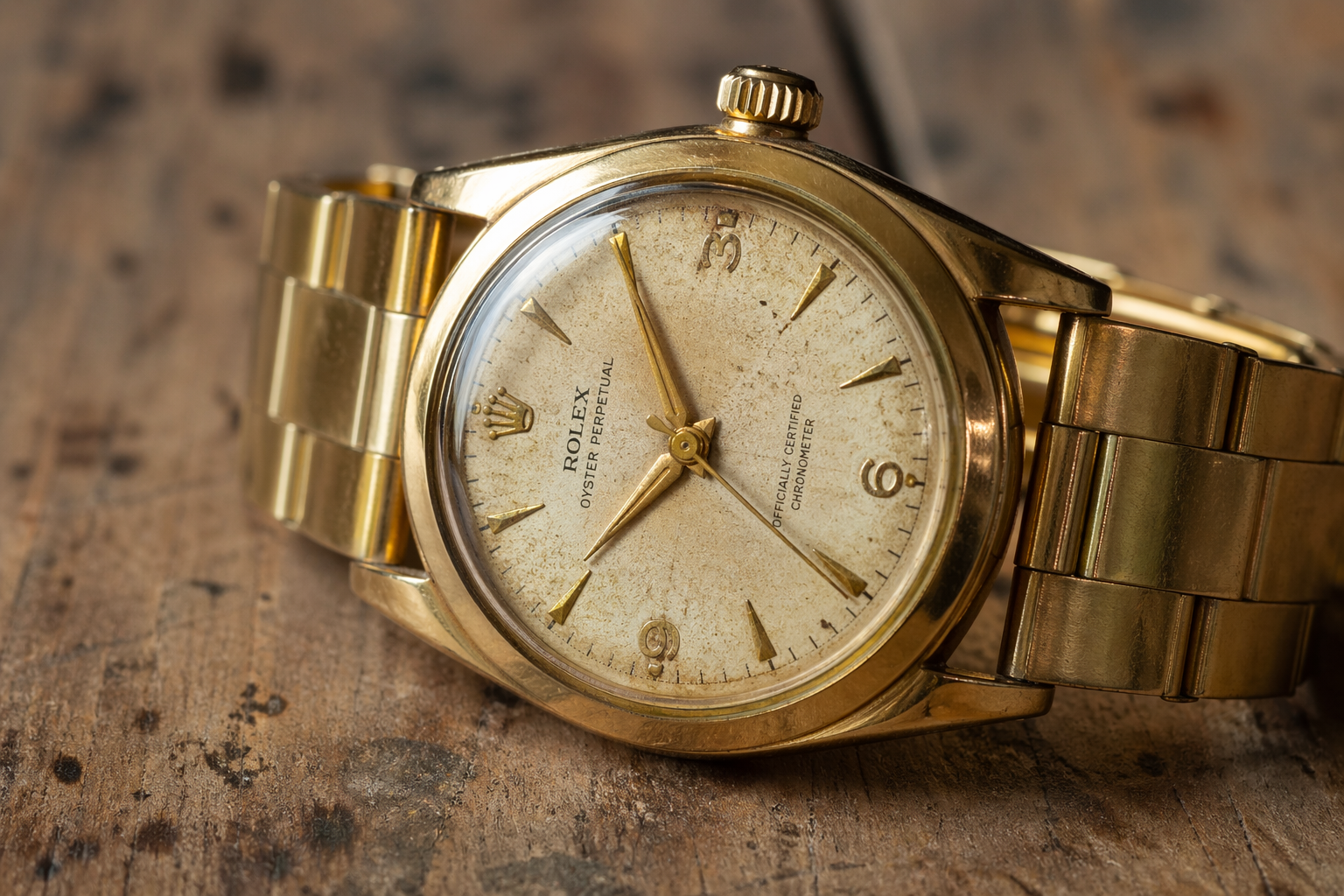
Research the basic details of any coin you’re curious about — the date, mint mark, and denomination. You don’t need to know the exact value, but having that basic information helps the conversation move efficiently. Buyers who also evaluate gold watches and other valuables use similar methods: they assess condition, authenticity, and demand before quoting.
Saskatoon Gold Buyers and Honest Coin Evaluations
Saskatoon Gold Buyers brings real expertise to every evaluation. The team methodically examines coin grading factors — reviewing strike, luster, surface preservation, mint marks, and rarity before making any offer. Sellers receive transparent explanations of what drives the offer up or down, with no pressure and no guesswork.
Bringing in a coin collection doesn’t mean you must sell everything. You can bring items for an evaluation, learn what they’re worth, and make your own decision. Those who also hold items like gold tie clips alongside their coins appreciate the convenience of having multiple items assessed in one visit.
The small details on a coin’s surface and specifications aren’t technical trivia — they represent real money. Knowing what buyers look for helps sellers arrive informed, evaluate offers with confidence, and leave knowing they received fair value.
Frequently Asked Questions
1. What are coin grading factors and why do they matter when selling? Coin grading factors include strike quality, surface preservation, luster, mint mark, rarity, and demand. These elements determine the numerical grade a coin receives, which directly affects its market value. Two coins of identical age and metal can be worth very different amounts depending on how well each grades across these categories.
2. Does cleaning a coin improve its value before selling? No. Cleaning a coin almost always lowers its value. Buyers identify cleaned coins through surface hairlines and disrupted luster. A coin in original, unaltered condition — even with some wear — is preferable to one that someone polished or treated.
3. How do mint marks affect a coin’s price? Mint marks indicate where workers produced a coin. Certain mint marks carry rarity due to low production volumes at specific facilities in specific years. A coin with a rare mint mark can be worth significantly more than an identical coin without it, even if both appear the same at first glance.
4. Should I get my coins certified before selling? Certification from services like PCGS or NGC adds buyer confidence and can increase what you’re offered. However, certification costs money and time, and not every coin benefits enough to justify it. Bringing coins directly to a qualified buyer for evaluation is often the most efficient approach for most sellers.
5. Can I bring a mix of coins and gold items to be evaluated at once? Yes. Experienced buyers routinely assess multiple item types in a single visit. Coins, gold jewelry, watches, and other valuables can all come in together, saving you time and giving you a clear picture of your total collection’s value in one appointment.