Saskatoon Gold Buyers often hears one question before anyone books a visit: is a gold exchange better than selling the piece outright? The two routes sound similar, yet they work very differently. This guide explains how each one works, what it means for your jewellery, and how to decide before you walk in with a box of old pieces from the back of a drawer.
What People Mean by a Gold Exchange
The phrase gets used loosely. Some people mean trading an old chain toward a new piece of jewellery. Others mean swapping gold for cash at a counter. A few simply mean any place that takes their gold and gives something back.
In the strictest sense, an exchange is a trade. You hand over gold, the other party assesses it, and the assessed worth is credited toward something else. That something else is usually new merchandise, not money in your hand.
An outright sale is simpler. You hand over gold, it is tested and weighed, and you decide whether to accept the offer. If you accept, the transaction ends there. Nothing is credited, nothing is carried forward, and you owe nothing afterward.
Where the confusion starts
Search results blur these terms together. A listing may be a retailer that credits trade-ins, a refinery, a coin dealer, or a buyer that pays out directly. Reading the fine print tells you which one you are dealing with.
Ask the plain question first: is this a trade toward other items, or a sale with a payout? A straight answer saves a lot of wasted afternoons.
How the Two Routes Compare
Both routes begin with the same step. Someone must identify the metal, test its purity, and weigh it. The difference lies in what happens to the result afterward.
| Feature | Trade-in toward another item | Outright sale |
|---|---|---|
| What you receive | Credit toward merchandise | A payout for the gold itself |
| Who sets the terms | The retailer, tied to its stock | The buyer, based on testing and the market |
| Flexibility | Limited to what the seller carries | You choose how to use the proceeds |
| Best for | Upgrading one piece you plan to replace | Selling pieces you no longer want |
| Paperwork focus | Matching the trade to a purchase | Recording the sale of the item |
Neither route is wrong. The better fit depends on whether you actually want a replacement item. If you do not, a trade-in credit may leave you holding something you never needed.
Some people also wonder about pawn shops. A pawn transaction is a loan secured by your item, usually with a deadline to repay. Miss it and the shop keeps the piece. We compare the models in the difference between pawn shops and gold buyers in Saskatoon.
When a Trade-In Makes Sense
A trade-in suits a narrow set of situations. Maybe you want a different ring size, a new style of chain, or a replacement for a worn piece. Handing the old item to the retailer who sells the new one keeps everything in a single visit.
Questions to ask before any gold exchange
If a gold exchange fits your plans, a few questions protect you:
- Is the credit based on the metal’s tested weight and purity, or on a flat allowance?
- Will the retailer show you the testing process?
- Can you take the offer away and think about it?
- Is the credit usable on anything in the store, or only on certain lines?
A good retailer answers all four without hesitation. A vague answer is a reason to slow down and compare other options.
When an Outright Sale Is the Better Fit
Most of our visitors are not shopping for jewellery. They are clearing out a drawer, settling an estate, or turning unworn pieces into usable funds. For them, a direct sale keeps things clean.
With a direct sale, the offer reflects the tested metal on its own. No merchandise margin is folded into the number, because nothing is being sold back to you. You also keep full control over how you use the proceeds.
Direct sales also suit mixed lots. A bag of broken chains, a single earring, an old watch, and a few dental pieces can all be assessed together. Our guide on what counts as scrap gold and why small pieces still matter explains why odd fragments belong in the pile.
What Gets Tested Either Way
Whichever route you choose, the same facts drive the assessment. Understanding them helps you judge any offer you receive.
1. Purity. Karat marks such as 10K, 14K and 18K show the share of gold in the alloy. Pure gold is 24K. A 14K piece is roughly 58 percent gold, and an 18K piece is 75 percent.
2. Weight. The metal is weighed in grams or pennyweights, usually without stones or non-gold parts.
3. Authenticity. Marks can be worn off or faked, so acid or electronic testing confirms what the stamp claims.
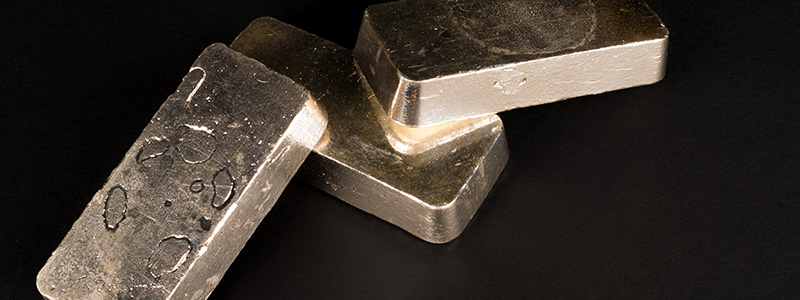
4. Condition and form. Whole jewellery, broken pieces, coins and bars are each handled differently.
Our article on gold purity marks explained for Saskatoon sellers helps you read the stamps on your own pieces before any visit.
Coins and bars follow different logic from jewellery. Their worth ties to recognized weights, purity and sometimes collector demand. The Royal Canadian Mint publishes educational material on its own products at mint.ca, a useful reference if you hold Maple Leaf coins or bars.
A Simple Way to Decide
Work through these steps in order. They take about ten minutes and prevent most regrets.
1. Decide whether you want a replacement item at all.
2. Sort your gold into pieces to replace and pieces to sell.
3. Check the marks on each piece and note any stones.
4. Ask each business whether it trades, buys, or both.
5. Request that testing happen while you watch.
6. Take time before you accept anything.
Watch for warning signs along the way: pressure to decide immediately, refusal to show the scale, offers made before testing, or no clear explanation of how the offer was reached. A reputable business welcomes questions. Many people mix the approaches, selling unwanted pieces outright and buying a new piece separately, which keeps both transactions transparent.
Frequently Asked Questions
Is a trade-in the same as selling my gold?
Not quite. A trade-in usually credits the assessed worth toward other merchandise, while a sale ends with a payout for the gold itself. Ask which one a business offers before you visit.
Can I trade in broken jewellery?
Many retailers accept broken pieces, since the metal is what matters. Policies vary, so confirm first. Broken items are also welcome in an outright sale.
Should I get more than one opinion?
Yes. Comparing assessments from more than one business is sensible, especially for larger or inherited collections. Note the tested purity and weight each time.
Do I need to clean my jewellery first?
A gentle wipe is enough. Aggressive polishing can damage delicate or antique pieces, and testing works on the metal either way.
How are quotes handled at Saskatoon Gold Buyers?
An honest quote is given after your items are assessed in person. We do not quote sight unseen.
Book a Private Evaluation
Saskatoon Gold Buyers works by appointment only, so every visit is private and unhurried. Our team tests and values each item in front of you before making an offer. To see the range of items we assess, browse our services page.
- Phone: (306) 612-3575
- Address: Scotiabank Tower, 111 2nd Ave S, Suite 400, Saskatoon, SK S7K 1K6
- Hours: 9am to 6pm, Monday to Sunday, by appointment only