When people think about selling gold, they often assume that condition matters the most. However, the reality is quite different. Gold value is mainly determined by weight and purity, not by how polished or perfect the item looks. At Saskatoon Gold Buyers Ltd., many customers are surprised to learn that even broken or worn pieces still hold strong value.
Therefore, understanding how condition compares to weight helps you make better decisions before selling. In many cases, items that look damaged still carry the same worth as new ones when evaluated correctly.
Why Weight Plays the Biggest Role
Gold is priced based on its weight and karat purity. In other words, the heavier the item and the higher the purity, the more value it holds. This means that a scratched bracelet and a shiny one with the same weight and karat will usually be worth the same.
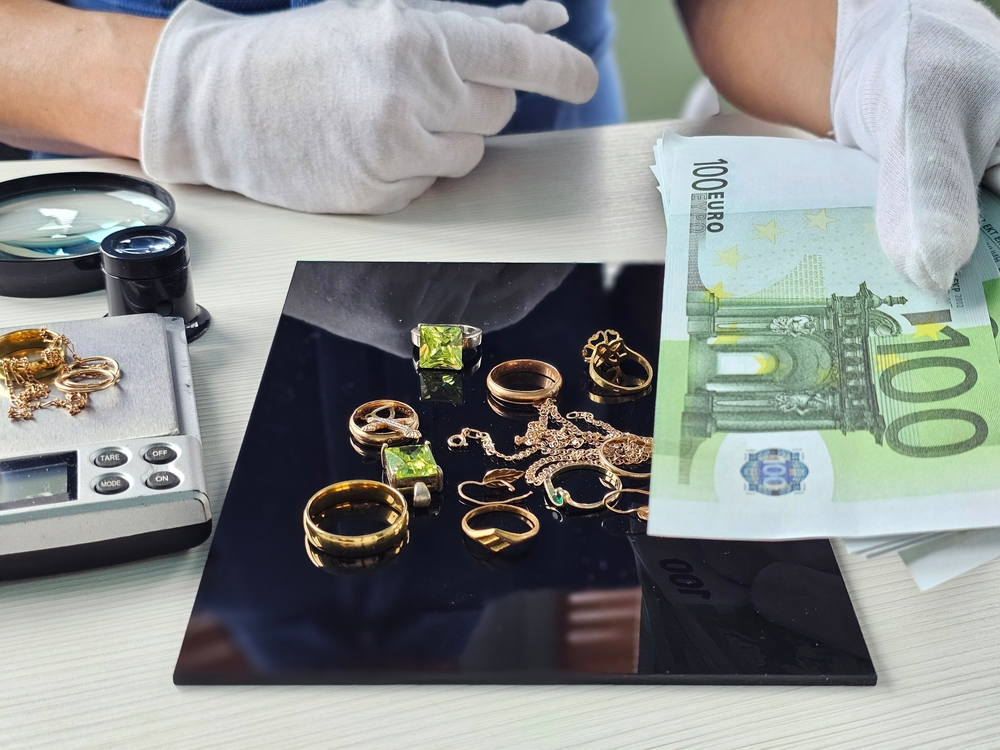
Most importantly, gold buyers calculate value using precise scales and current market prices. Condition does not reduce the intrinsic metal value. For example, broken chains, bent rings, or outdated jewelry still contain the same amount of gold.
If you are unsure how your items will be evaluated, you can explore professional gold buying services to see how experts assess value based on weight first.
When Condition Actually Matters
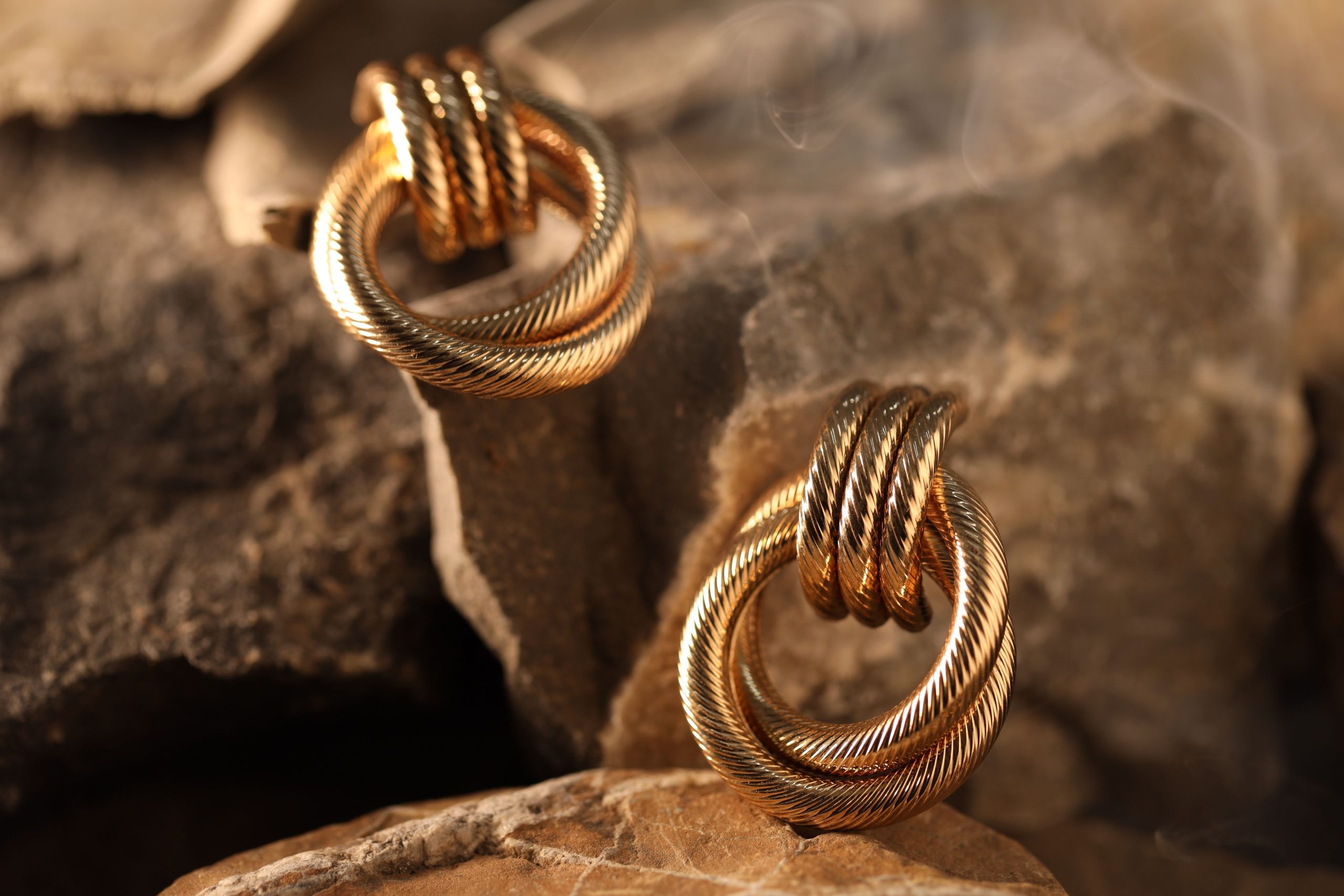
Although weight is the primary factor, condition can sometimes influence value in specific cases. For instance, collectible or designer pieces may have added worth beyond the gold content. In such situations, appearance and craftsmanship become more important.
However, for most everyday jewelry, condition has little to no effect. A ring with missing stones still contains the same gold weight. Similarly, old or tarnished pieces are melted down, so surface damage does not matter.
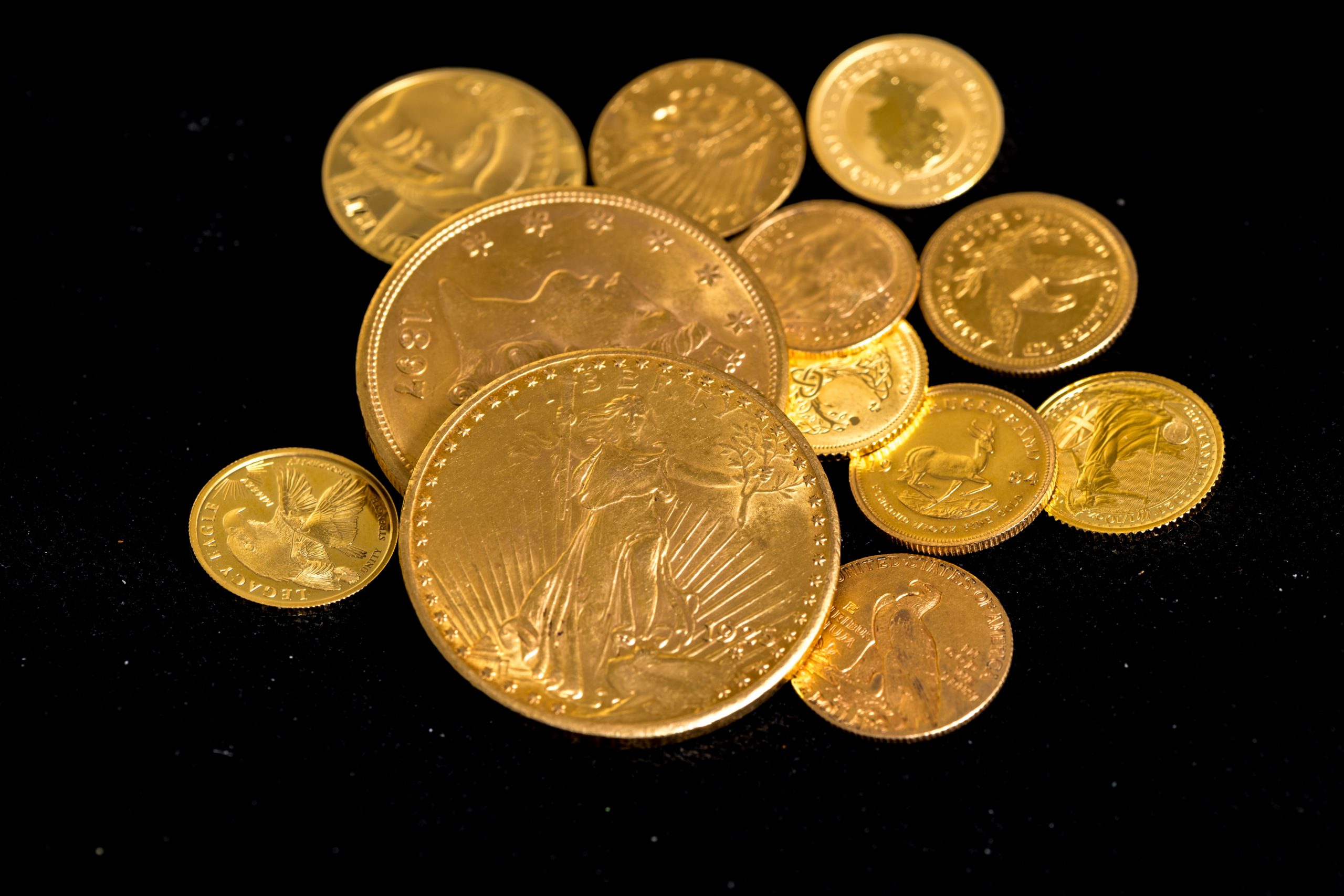
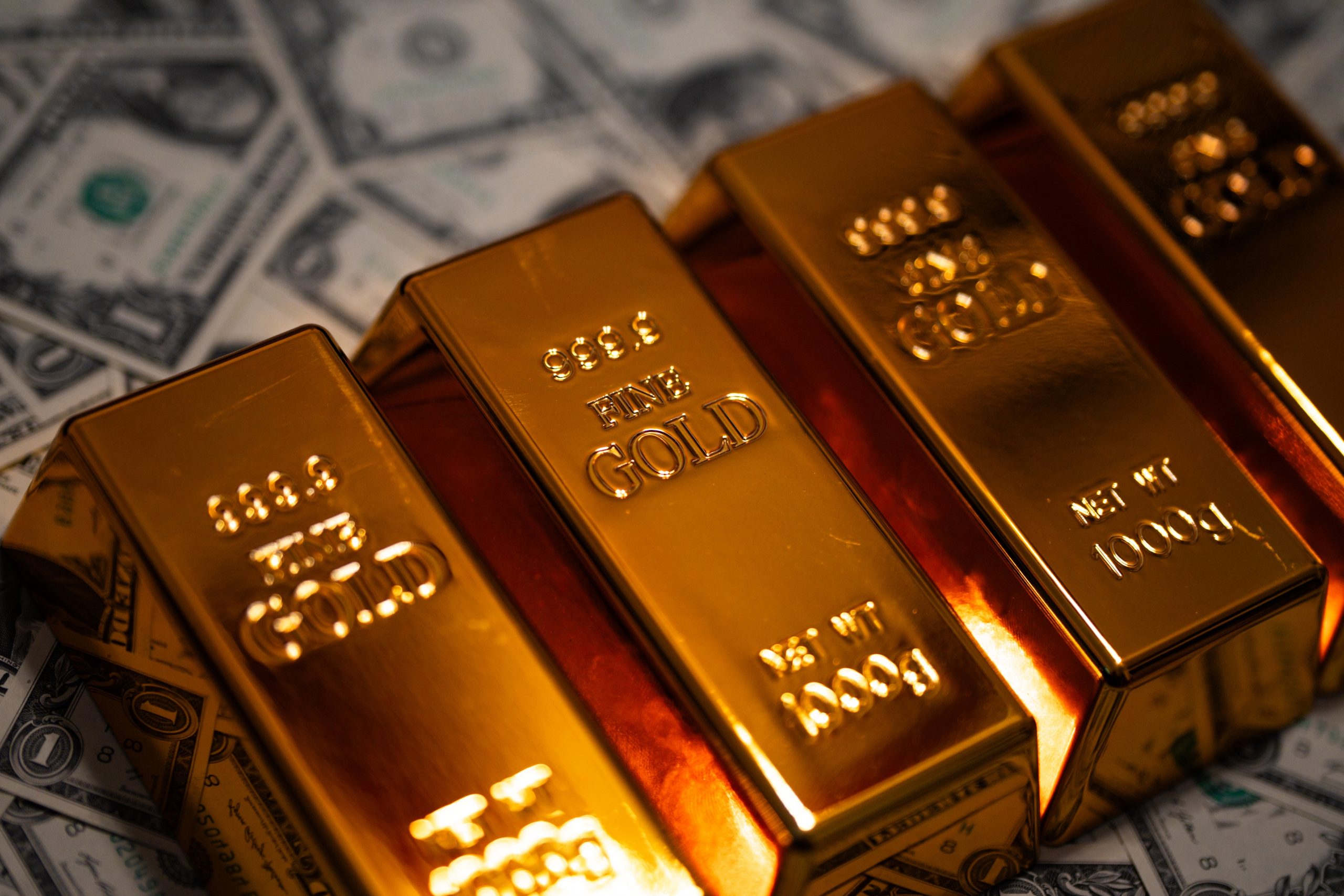
On the other hand, coins or bullion items may require better condition to maintain premium value. You can learn more about this by reviewing options for gold bullion bars in Saskatoon, where condition and certification sometimes play a role.
Common Misconceptions About Gold Value
Many sellers hesitate because they believe their gold is not “good enough” to sell. That is to say, they think scratches, dents, or missing parts reduce value significantly. This is not true in most cases.
Above all, gold is valued as a raw material. Buyers are interested in the metal itself, not the appearance of the item. Therefore, even damaged jewelry can bring strong returns.
Another misconception is that heavier-looking items are always more valuable. In reality, hollow pieces or gold-plated items may look large but contain very little real gold. This is why professional evaluation is essential before making assumptions.
To clarify, the only reliable way to determine value is through proper weighing and testing, which is part of the process when you sell your gold.
How Purity Works Together With Weight
Gold purity is measured in karats, and it directly affects value along with weight. For example, 24K gold is nearly pure, while 10K contains a smaller percentage of gold mixed with other metals.
Consequently, two items with the same weight but different karats will not have the same value. A lighter piece of high-purity gold can sometimes be worth more than a heavier piece with lower purity.
This is why buyers test each item individually. They check both weight and purity to calculate the true value. Condition still remains secondary unless the item has collectible significance.
In addition, understanding purity helps you avoid confusion when comparing offers. It ensures you know exactly what your gold is worth in today’s market.
Why Damaged Gold Still Has Value
Many people keep broken jewelry in drawers for years, assuming it is useless. However, that is not the case. Gold does not lose its value because it is scratched or bent.
Similarly, items like single earrings, tangled chains, or rings with missing stones still contain valuable gold. These pieces are typically melted and refined, which removes any impact of condition.
Because of this, even small amounts can add up. Therefore, gathering all unused or damaged gold items can result in a higher payout than expected.
If you are ready to turn unused items into cash, you can easily contact a gold buyer to get a professional evaluation.
Choosing the Right Buyer Matters
Not all buyers evaluate gold the same way. Some may focus more on appearance, while professional buyers prioritize accurate testing and fair pricing based on weight and purity.
Saskatoon Gold Buyers Ltd. follows a transparent process, ensuring every item is assessed properly. This gives sellers confidence that they are receiving fair value.
Moreover, working with experienced buyers reduces the risk of underpricing your gold. You get a clear breakdown of how value is calculated, which helps you understand the process better.
To get started or learn more about the process, visit the gold buying experts and explore your options with confidence.
FAQs
Does damaged gold lose its value?
No, damaged gold does not lose its intrinsic value. The price is based on weight and purity, not appearance. Scratches, dents, or missing parts usually do not affect the final price.
Is heavier gold always worth more?
Not always. Weight matters, but purity also plays a major role. A lighter piece with higher karat gold can sometimes be worth more than a heavier piece with lower purity.
Do gold buyers care about jewelry condition?
In most cases, they do not. Gold buyers focus on the metal content. Condition only matters for collectible or designer pieces with added value beyond the gold itself.
Can I sell broken or incomplete jewelry?
Yes, you can. Broken chains, single earrings, and damaged rings still contain gold and can be sold. These items are typically melted down, so condition is not important.
How can I know the true value of my gold?
The best way is through professional testing and weighing. A trusted buyer will check purity and weight to give you an accurate price based on current market rates.